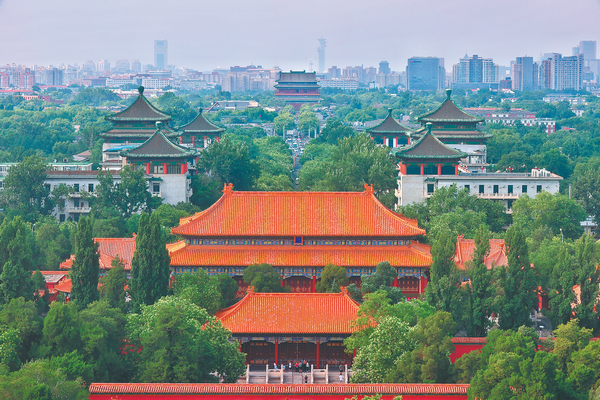
Beijing Central Axis
Introduction
The Beijing Central Axis is an architectural marvel and cultural treasure located in the heart of Beijing, China. Extending over a distance of 7.8 kilometers, it runs in a straight north-south line, acting as the spine of the city's ancient landscape. Adorned with numerous cultural relics and historic buildings, the Central Axis is a testament to China's rich historical heritage. This axis stretches from the Bell and Drum Towers in the north to the Yongdingmen Gate in the south, encompassing iconic landmarks such as the Forbidden City, Tian'anmen Square, and the Temple of Heaven. Its alignment and design embody the philosophical principles of neutrality and harmony, which are deeply rooted in Chinese tradition.
Historical Background
Origin and Development
The origins of the Beijing Central Axis date back to the 13th century. During this time, the planning and construction of the axis began as part of the grand vision to create a capital city that exemplified ideal urban planning. By the 16th century, the axis had taken its current form, showcasing a remarkable blend of architectural and technological achievements. Over the centuries, the axis has undergone continuous refinement, serving as a guiding blueprint for Beijing's urban development. Its layout reflects the traditional Chinese concept of an ordered and harmonious society, as outlined in ancient texts like the "Book of Diverse Crafts."
Cultural Significance
The Beijing Central Axis holds immense cultural significance, not only as a physical entity but also as a symbol of traditional Chinese beliefs and philosophies. It embodies the principles of Confucianism, which emphasize order, hierarchy, and balance. The axis serves as a conduit for the cultural tradition of inclusion and diversity, witnessing the formation and evolution of Chinese civilization over the centuries. It stands as a testament to the nation's architectural prowess and the ingenuity of ancient city planners who aspired to construct a perfect capital that reflected the cultural ideals of their time. The axis is a living legacy, narrating the story of Beijing's transformation through the ages.
Architectural Features
Notable Structures
One of the most defining features of the Beijing Central Axis is its array of notable structures that line its path. At the northern end of the axis stand the Bell and Drum Towers, historical edifices that once served as the city's timekeepers. Moving southward, the axis encounters the Wanning Bridge, a white marble single-arch bridge notable for its connection to the Beijing-Hangzhou Grand Canal. Further along, Jingshan Hill offers a panoramic view of the city, highlighting the axis's perfect symmetry. The Forbidden City, a magnificent palace complex, is a centerpiece of the axis, representing the political and cultural heart of China. Other significant structures include the Tian'anmen Gate, the Outer Jinshui Bridges, the Zhengyangmen Gate, and the Yongdingmen Gate. These landmarks collectively form a grand urban architectural complex.
Urban Planning
The urban planning of the Beijing Central Axis is a masterpiece that illustrates the height of Chinese city planning. It showcases the integration of imperial palaces and gardens, sacrificial buildings, ancient city management facilities, and public ceremonial spaces. The layout of the axis adheres to the principles of symmetry and axiality, creating a harmonious alignment that reflects the order of the universe. The centrality of the axis also underscores the importance of Beijing as an ancient capital, designed to radiate authority and cultural influence. This strategic planning has left a profound impact on the design of traditional Chinese cities, shaping their spatial organization for centuries.
Cultural Heritage
UNESCO World Heritage Status
In recognition of its outstanding cultural value, the Beijing Central Axis was inscribed on the UNESCO World Heritage List during the 46th session of the World Heritage Committee in New Delhi, India, 2024. The designation acknowledges the axis as "A Building Ensemble Exhibiting the Ideal Order of the Chinese Capital", marking it as China's 59th World Heritage Site. This recognition underscores the axis's unique contribution to the cultural tradition of China and its exemplary representation of a significant stage in human history. The axis meets the World Heritage criteria for bearing exceptional testimony to a cultural tradition and serving as an outstanding example of urban planning.
Conservation Efforts
Preserving the integrity and authenticity of the Beijing Central Axis is a priority for cultural heritage officials and the Chinese government. Between 2020 and 2023, a comprehensive protection plan was implemented to safeguard the axis's historical charm and architectural significance. This plan includes renovating historical buildings, conducting archaeological research, enhancing the environment, and promoting public participation. The objective is to ensure the dynamic, complete, and sustainable protection of the axis, preserving both its tangible and intangible cultural elements. The conservation efforts aim to maintain the axis's status as a cultural icon and to continue promoting it as a symbol of national heritage.
Influence and Legacy
Impact on Urban Design
The design and concept of the Beijing Central Axis have had a profound influence on urban planning and architecture not only in China but globally. It exemplifies the meticulous planning and cultural considerations that go into creating a capital city. The axis's principles of symmetry, centrality, and harmony have inspired city planners worldwide, serving as a blueprint for constructing cities that embody ideal order and balance. As a paradigm of city planning, it has left an indelible mark on the evolution of urban design, influencing the spatial organization and architectural styles of subsequent generations.
Contemporary Relevance
In contemporary times, the Beijing Central Axis continues to hold relevance as a cultural and historical symbol. It serves as a reminder of China's rich heritage and the enduring principles that have shaped its civilization. The axis remains a focal point for cultural activities, tourism, and education, drawing visitors from around the world who seek to experience its grandeur and historical significance. Additionally, the axis is a testament to the ongoing commitment to preserving cultural heritage and promoting sustainable development in urban areas. Its legacy continues to resonate, fostering a broader understanding of China's cultural identity and architectural achievements.
Tourism and Education
Major Attractions
The Beijing Central Axis is home to several major attractions that draw tourists and locals alike. Key sites along the axis include the iconic Forbidden City, a UNESCO World Heritage Site and a symbol of imperial China. Tian'anmen Square, the world's largest public square, serves as a centerpiece of the axis, hosting significant national events and gatherings. Other attractions include the Temple of Heaven, renowned for its stunning architecture and spiritual significance, and Jingshan Park, which offers breathtaking views of the city. Visitors can also explore the Bell Tower and Drum Tower, the Wanning Bridge, and the Yongdingmen Gate, each offering unique insights into Beijing's historical and cultural legacy.
Educational Initiatives
Educational initiatives play a crucial role in promoting awareness and appreciation of the Beijing Central Axis. Various programs and activities have been launched to engage diverse audiences, from students to international visitors. These initiatives include cultural heritage lectures, workshops on traditional Chinese crafts, and guided tours highlighting the architectural and historical significance of the axis. Events such as the Beijing Central Axis Cultural Heritage Inheritance and Innovation Competition encourage creativity and innovation in preserving and promoting the axis's cultural heritage. Through these educational efforts, the axis serves as a living classroom, fostering a deeper understanding of Chinese culture and history.
Future Prospects
Urban Development Plans
Looking to the future, urban development plans for the Beijing Central Axis aim to balance modernization with heritage preservation. The Chinese government and cultural heritage organizations are committed to maintaining the axis's historical integrity while accommodating the needs of a growing and evolving city. Strategic planning includes enhancing infrastructure, improving accessibility, and integrating sustainable practices that respect the axis's cultural significance. These plans seek to ensure that the axis remains a vibrant and dynamic part of Beijing's urban landscape, serving as a model for the harmonious coexistence of historical preservation and contemporary development.
Challenges and Opportunities
The future of the Beijing Central Axis presents both challenges and opportunities. Among the challenges are managing urban growth, mitigating the impact of natural disasters, and ensuring the protection of cultural heritage sites amidst modernization pressures. However, these challenges also present opportunities for innovation in heritage conservation, public engagement, and international collaboration. By leveraging these opportunities, stakeholders can enhance the axis's role as a cultural and educational resource, promoting its rich legacy while embracing the possibilities of the future. The continued preservation and revitalization of the Beijing Central Axis offer the potential to inspire and educate future generations, fostering a deeper connection to China's cultural heritage.








